

The world is witnessing one of the most serious geopolitical crises in recent years as escalating tensions involving Iran in 2026 begin to disrupt global oil supply chains and destabilize financial markets. What started as a regional conflict has now evolved into a full-scale global energy shock, with consequences being felt from Asia to Europe and beyond.
At the center of this crisis lies the Strait of Hormuz, one of the most critical oil transit routes in the world. Roughly 20% of global oil supply flows through this narrow passage, making it a vital artery for the global economy. However, ongoing military tensions and a U.S.-led naval blockade have severely disrupted shipments, effectively choking off one of the world’s most important energy corridors.
The impact has been immediate and dramatic. Oil exports from Iran have dropped sharply, with millions of barrels now stranded on tankers due to restrictions and blockades. Analysts report that Iranian oil shipments have fallen by more than 80% in recent weeks, creating a massive supply gap in global markets.
This disruption is not limited to Iran alone. The broader Gulf region, which includes major oil producers like Saudi Arabia, Iraq, and the United Arab Emirates, has also experienced production and export challenges. At one point during the crisis, global oil production dropped by over 10 million barrels per day due to infrastructure damage, shipping restrictions, and military strikes on energy facilities.
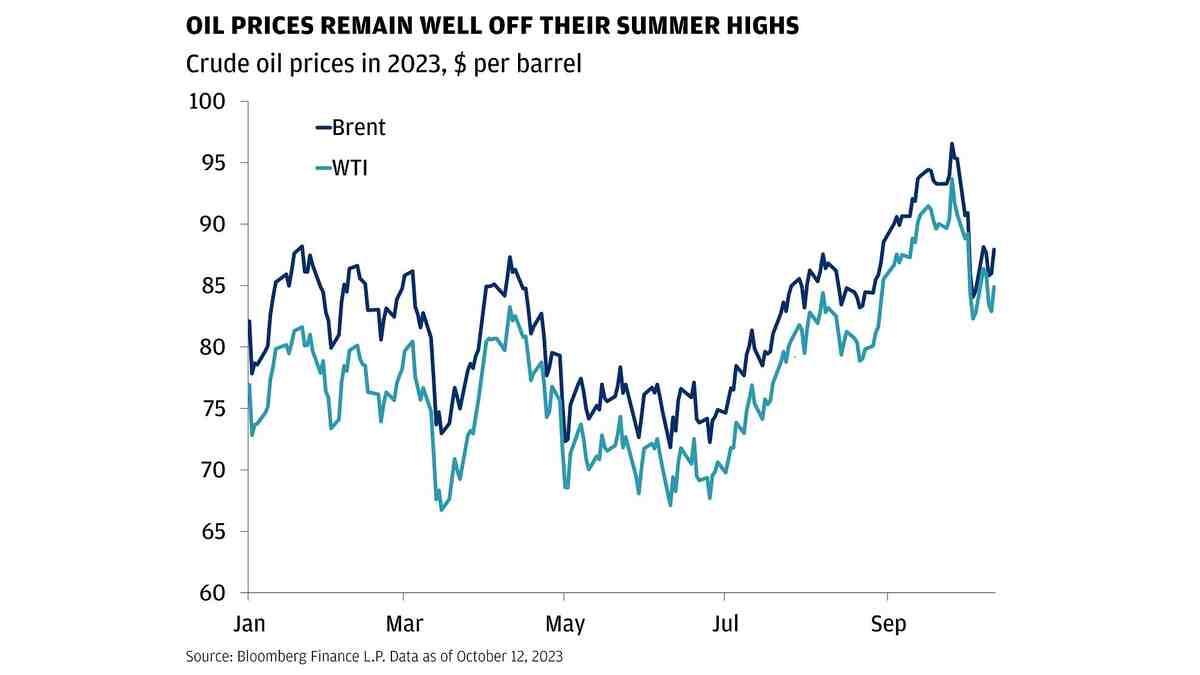
As a result, global oil prices have surged dramatically, crossing the $120 per barrel mark and reaching levels not seen since previous major energy crises. The price spike is being driven not only by actual shortages but also by uncertainty and fear of further escalation. Markets are reacting to the possibility that the conflict could worsen, leading to even greater disruptions.
One of the most concerning developments is the depletion of global oil reserves. According to analysts, the ongoing conflict has already removed hundreds of millions of barrels from global supply chains, and if the situation continues, inventories could reach critically low levels within months.
Beyond oil, the crisis is having a ripple effect across the global economy. Rising energy prices are driving inflation higher, increasing the cost of transportation, manufacturing, and everyday goods. Countries that rely heavily on imported oil—particularly in Asia—are facing mounting economic pressure as fuel costs surge.
Iran itself is facing severe economic consequences. The blockade has drastically reduced its oil revenue, weakened its currency, and pushed inflation to extreme levels. Reports indicate that inflation in Iran could approach 70% by the end of the year, highlighting the internal strain caused by the conflict.
Meanwhile, global leaders are scrambling to contain the situation. European nations, including France, have called for international cooperation to reopen key shipping routes and stabilize energy markets. However, diplomatic efforts remain uncertain, and the risk of further escalation continues to loom large.
What makes this crisis particularly alarming is its scale. The International Energy Agency has described the disruption as one of the largest in the history of the global oil market, drawing comparisons to the oil shocks of the 1970s.
Looking ahead, the future of global energy markets depends heavily on how the conflict unfolds. If tensions ease and trade routes reopen, prices could stabilize. But if the situation escalates further, the world could face prolonged energy shortages, higher inflation, and slower economic growth.
In 2026, the Iran conflict is no longer just a regional issue—it has become a defining global crisis. From rising fuel prices to economic instability, its impact is reshaping the world’s energy landscape and forcing nations to rethink their dependence on vulnerable supply chains.


