

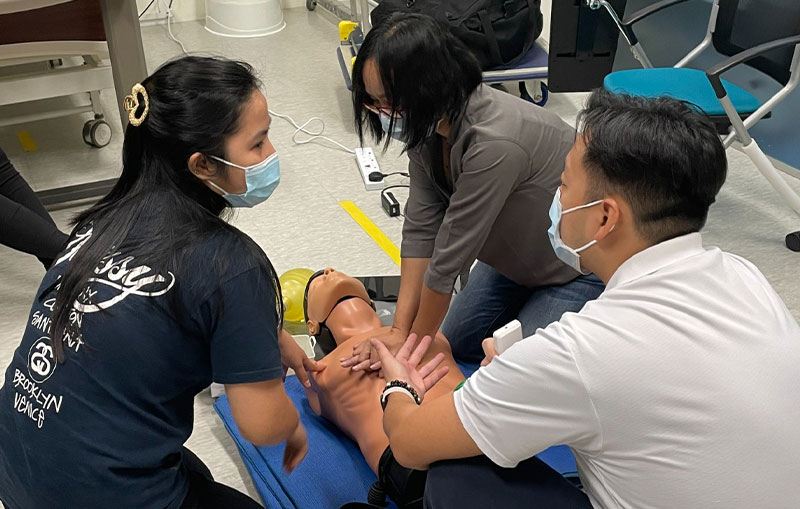
When it comes to matters health and safety at the workplace, occupational first aid training is important. Having your staff trained in first aid not only offers the required immediate assistance during an emergency, but also allows for a safer, more prepared environment.
But with different first aid courses available, it can be challenging to determine which one is best fit for your workplace. In this guide, we walk you through the different types of occupational first aid training courses available to you and the factors to consider so you can make an informed decision.
Asses the Workplace Needs
Before commencing the occupational first aid training, it is important to first asses your workplace’s specific needs. For starters, you need to consider the risk level. Factor in the specific risks associated with your workplace, for instance low risk environments: small office, shop: high risk environments: construction, manufacturing etc.
It doesn’t end with that since you also have to factor in the size of your workforce. After all, the number of employees can impact the level and number of first aiders’ needed. Larger workplaces may need several trained individuals.
Types of First Aid Courses
One of the most popular occupational first aid training course you can consider is the Emergency First Aid at Work (EFAW). This is a one-day course designed to equip learners with the skills and knowledge needed to provide emergency treatment to causalities in a prompt, safe, and effective manner.
EFAW targets low risk environments such as offices, retail, and small business. It can also work wonders when it comes to supporting higher qualified first aiders. It is valid for 3 years, with the option for annual refreshers.
Then there is the First Aid at Work (FAW). FAW is a more comprehensive, 3-day course designed to equip first aiders with a broader range of skills. It is ideal for medium to high-risk workplaces, such as construction sites and warehouses.
This form of occupational first aid training covers all content from the EFAW course, plus heart attacks, eye injuries, fractures, and spinal injuries, chest injuries, diabetes, anaphylaxis, asthma, head injuries, poisoning, sprain and strains, and stroke. The course is valid for 3 years with the option for annual refreshers.
As you can see, choosing the right occupational first aid training for your workplace is an investment in safety, well-being, and peace of mind.