
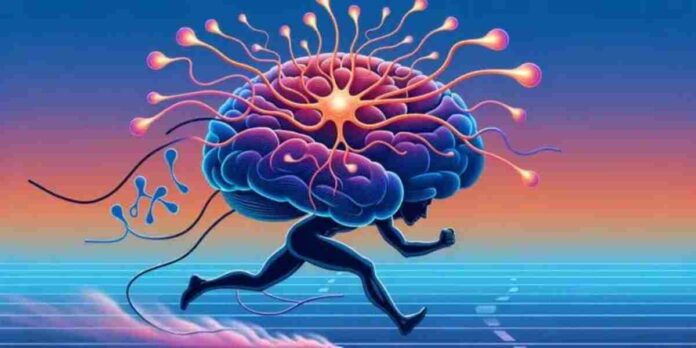


A surprising new discovery is reshaping how scientists understand the connection between the immune system and physical performance. Researchers have found that B cells — immune cells traditionally known for producing antibodies to fight infections — play a critical role in regulating muscle function and boosting exercise endurance. The study, published in the journal Cell on April 17, 2026, reveals that mice with reduced B cell levels show significantly poorer performance in both endurance and strength tests compared to normal mice.
Led by researchers exploring the interplay between immunity and metabolism, the team conducted rigorous treadmill endurance tests on genetically modified mice engineered to have low B cell counts. These animals tired much faster and covered shorter distances than their counterparts with healthy immune profiles. In a second experiment, researchers used antibody therapy — similar to treatments employed in certain human cancers to deplete B cells — and observed the same dramatic drop in performance. The results were consistent across both strength-based and prolonged running challenges, highlighting B cells as essential mediators of muscle efficiency during physical activity.
This finding challenges long-held assumptions that immune cells primarily focus on defense against pathogens. Instead, B cells appear to act as crucial intermediaries between the immune system and skeletal muscle, helping maintain optimal energy use and performance under stress. When B cell numbers drop, muscles seem less capable of sustaining prolonged effort, suggesting these cells influence metabolic pathways or inflammatory balance within muscle tissue itself.
The discovery represents a major conceptual advance, according to experts commenting on the work. For decades, exercise physiology has centered on muscle fibers, mitochondria, and cardiovascular adaptations. Now, the immune system enters the picture as an active partner in fitness gains. B cells may help fine-tune inflammation during workouts, prevent excessive damage, or support efficient energy metabolism, allowing muscles to work harder and longer without fatigue setting in as quickly.
While the study was conducted in mice, its implications could extend to human athletic training, recovery strategies, and even conditions involving muscle weakness or chronic fatigue. If B cells prove equally important in people, future research might explore ways to support immune health to enhance exercise outcomes. This could be particularly relevant for older adults, athletes recovering from intense training, or individuals with immune-related disorders that might indirectly affect physical capability.
The research also opens new avenues for understanding why some people respond better to training programs than others. Variations in immune function, including B cell activity, could partially explain differences in endurance gains, recovery speed, and overall fitness progress. Scientists now plan follow-up studies to pinpoint exactly how B cells communicate with muscle cells — whether through secreted factors, direct interaction, or modulation of inflammatory signals.
This breakthrough adds to a growing body of evidence showing the immune system as far more than a defender. It actively participates in everyday physiological processes, including how the body adapts to physical demands. In practical terms, maintaining a healthy immune balance through nutrition, sleep, stress management, and appropriate recovery may prove just as important for endurance as traditional training methods focused solely on muscles and lungs.
For fitness enthusiasts and athletes, the message is intriguing: your immune cells might be working harder behind the scenes than previously realized. Supporting overall immune health could indirectly amplify the benefits of every workout session. As researchers translate these mouse findings into human trials, the hope is to uncover targeted strategies that harness the immune system to unlock greater endurance potential.
The study underscores how interconnected our body systems truly are. What once seemed like separate domains — immunity and exercise performance — are now linked in unexpected ways. B cells, long viewed through the lens of infection and disease, may soon be recognized as unsung contributors to athletic achievement and everyday vitality.
This new perspective could influence everything from sports science to clinical rehabilitation. By appreciating the immune system’s role in muscle performance, scientists and trainers alike gain fresh tools to optimize human potential. The hidden power of B cells in exercise endurance marks an exciting chapter in understanding the biology of movement and resilience.