
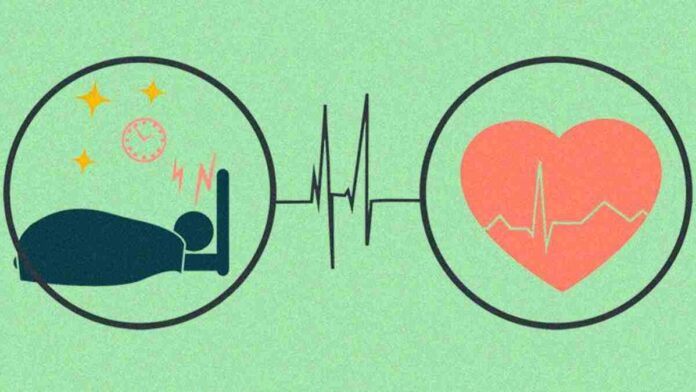


Medical experts around the world are issuing fresh health alerts warning that chronic poor sleep is emerging as a major risk factor for heart disease, stroke, and long-term brain health issues. Once considered a lifestyle inconvenience, inadequate sleep is now being recognized as a serious public health concern with consequences that extend far beyond daytime fatigue.
Sleep Deprivation Is Becoming a Global Issue
Modern lifestyles, increased screen time, work stress, and irregular schedules have led to a steady decline in sleep quality across age groups. Health authorities note that millions of adults routinely get less than the recommended seven to eight hours of sleep per night. This widespread sleep deprivation is now closely linked to rising cases of cardiovascular and neurological disorders.
According to recent medical observations, poor sleep is no longer an isolated problem but a silent contributor to multiple chronic conditions affecting global populations.
How Poor Sleep Affects the Heart
Lack of quality sleep places continuous stress on the cardiovascular system. During deep sleep, the body naturally lowers blood pressure and heart rate, allowing the heart to recover. When sleep is disrupted or shortened, this recovery process is incomplete.
Doctors warn that persistent sleep deprivation can lead to high blood pressure, irregular heart rhythms, and increased inflammation. Over time, these factors significantly raise the risk of heart attacks and heart failure. Studies show that people with chronic insomnia or sleep apnea face a much higher likelihood of developing cardiovascular disease compared to those with regular sleep patterns.
Brain Health at Serious Risk
The brain is equally vulnerable to the effects of poor sleep. Sleep plays a critical role in memory consolidation, emotional regulation, and the removal of toxic waste from brain tissue. When sleep is insufficient, this cleansing process is disrupted.
Neurologists have linked long-term sleep deprivation to cognitive decline, reduced concentration, and impaired decision-making. More concerning is growing evidence connecting poor sleep to an increased risk of neurodegenerative conditions such as Alzheimer’s disease. During deep sleep, the brain clears beta-amyloid proteins, and when this process fails, harmful buildup may occur over time.
The Stress and Hormone Connection
Poor sleep also disrupts hormone balance. Sleep deprivation increases cortisol, the body’s primary stress hormone, keeping the nervous system in a constant state of alert. This hormonal imbalance not only worsens anxiety and mood disorders but also contributes to insulin resistance and weight gain.
At the same time, lack of sleep interferes with appetite-regulating hormones, leading to cravings for unhealthy foods. This combination creates a dangerous cycle where poor sleep fuels metabolic issues that further increase heart and brain risks.
Warning Signs People Often Ignore
Health experts caution that many individuals ignore early warning signs of sleep-related health issues. Persistent daytime fatigue, frequent headaches, memory lapses, irritability, and difficulty concentrating are often dismissed as normal stress.
However, these symptoms may signal deeper cardiovascular or neurological strain. Loud snoring, frequent nighttime awakenings, and breathing interruptions during sleep can indicate sleep apnea, a condition strongly associated with heart disease and stroke if left untreated.
Global Health Authorities Raise Concerns
Organizations such as the World Health Organization have increasingly emphasized the importance of sleep as a pillar of overall health, alongside diet and physical activity. Public health campaigns now encourage better sleep hygiene, early diagnosis of sleep disorders, and lifestyle changes to address the growing crisis.
Medical professionals stress that improving sleep quality can significantly reduce long-term health risks, often with faster results than many people expect.
Steps Toward Better Sleep and Better Health
Experts recommend simple but effective measures to protect heart and brain health through improved sleep. Maintaining consistent sleep schedules, reducing screen exposure before bedtime, managing stress, and creating a calm sleep environment are key first steps.
For individuals experiencing persistent sleep problems, medical evaluation is crucial. Treatments for conditions like insomnia and sleep apnea have shown strong success in lowering blood pressure, improving cognitive function, and enhancing overall quality of life.
A Wake-Up Call for Preventive Health
The growing body of evidence linking poor sleep to heart and brain risks serves as a powerful reminder that sleep is not optional. It is a biological necessity essential for long-term health and survival.
As health alerts continue to emerge, experts urge individuals to treat sleep with the same seriousness as nutrition and exercise. Prioritizing quality sleep today may be one of the most effective ways to protect the heart, preserve brain function, and prevent chronic disease in the years ahead.