

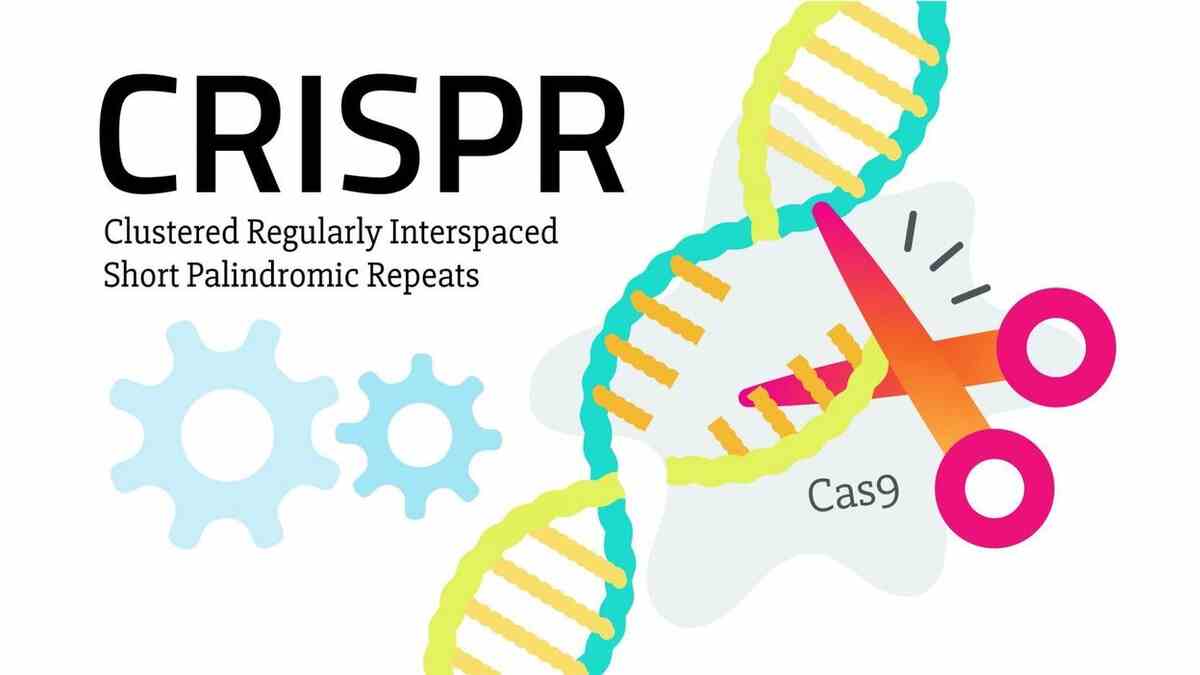
The field of genetic science has entered a transformative phase as CRISPR technology reaches a major new milestone, reshaping how researchers interact with human DNA. Scientists have recently achieved a breakthrough that allows genes to be activated without cutting the DNA strand, a long-standing challenge that has limited the broader application of gene-editing tools. This advancement is being hailed as one of the most important developments in biotechnology heading into 2026.
Traditionally, CRISPR-based techniques have relied on cutting DNA to disable or replace faulty genes. While powerful, this approach carries risks, including unintended mutations and permanent genetic changes. The new method focuses instead on switching genes on or off without breaking the DNA structure. By using modified CRISPR systems that act more like genetic dimmer switches than scissors, researchers can now control gene expression with far greater precision and safety.
This breakthrough has immediate implications for medicine. Many diseases are not caused by broken genes but by genes that are underactive or overactive. Conditions such as certain cancers, metabolic disorders, and neurological diseases often stem from misregulated gene activity. The ability to activate or suppress specific genes without altering the DNA sequence opens the door to therapies that are reversible, customizable, and far less invasive than earlier genetic interventions.
Researchers believe this technology could significantly accelerate the development of next-generation treatments. Instead of replacing genes, scientists can now fine-tune the body’s existing genetic instructions. This approach reduces long-term risks and makes gene-based therapies more acceptable for clinical use. Early laboratory results show promising outcomes in restoring normal gene function in cells linked to rare genetic disorders.
Beyond healthcare, the impact of this milestone extends into agriculture and environmental science. Gene activation techniques could help develop crops that are more resistant to climate stress, pests, and disease without introducing foreign DNA. This could lead to more sustainable farming practices and improved food security at a time when global agriculture faces mounting pressure from climate change and population growth.
The scientific community is also excited about how this advancement changes research itself. By selectively activating genes, scientists can better understand how specific genes influence development, aging, and disease progression. This deeper insight into gene behavior is expected to accelerate discoveries across biology, from understanding complex brain functions to identifying new drug targets.
Ethical considerations remain central to the discussion. While the new CRISPR milestone improves safety, it also raises important questions about how gene activation technologies should be regulated. Experts emphasize the need for clear guidelines to ensure responsible use, especially as the line between research and real-world application continues to blur. Unlike earlier gene-editing methods, this approach reduces the risk of permanent genetic changes, which may ease public concerns and encourage broader acceptance.
Governments and research institutions worldwide are already increasing funding for CRISPR-based studies. As competition intensifies, collaborations between universities, biotech startups, and pharmaceutical companies are expanding rapidly. These partnerships aim to translate laboratory breakthroughs into real therapies that can reach patients within the next few years.
Looking ahead, this milestone signals a shift in how humanity approaches genetic intervention. Rather than rewriting the code of life, scientists are learning how to regulate it more intelligently. The focus is moving from aggressive editing to precise control, reflecting a more mature and nuanced understanding of genetics.
As 2026 approaches, CRISPR’s evolution from a cutting tool to a gene-regulating platform marks a defining moment in modern science. This breakthrough not only expands what is scientifically possible but also redefines the future of medicine, agriculture, and biological research. With safer methods and broader applications now within reach, CRISPR is poised to remain at the center of scientific innovation for years to come.


